
PLAY A NEW ROLE AT WORK
Creative, trauma-informed consultation, training, and wellness support for organizations ready to deepen their work.
Your organization’s challenges are not unsolvable. Sometimes, you simply need a new way to see what is happening and a more creative way to respond.
I help mental health programs, schools, arts organizations, teaching artists, and other helping professionals bring trauma-informed principles out from behind the therapy couch and into the real world. Together, we look beneath the surface of workplace stress, communication challenges, team dynamics, and the needs of the people you serve.
This work is not about adding another set of rules or asking your staff to sit through another PowerPoint. It is about creating space to slow down, get curious, try something new, and build practical approaches that can become part of your organization’s everyday culture.
This may be for your organization if:
You want to look at your work, systems, or curriculum through a trauma-informed lens.
Your staff members are navigating stress, burnout, secondary trauma, or complex group dynamics.
You want to strengthen communication, connection, and emotional safety across your team.
You believe creativity, spontaneity, and play can help people become less stuck.
You want practical tools that your staff can apply immediately, not just ideas that sound good in a training.
You are ready to move beyond talking about change and begin practicing it together.

A creative and experiential approach
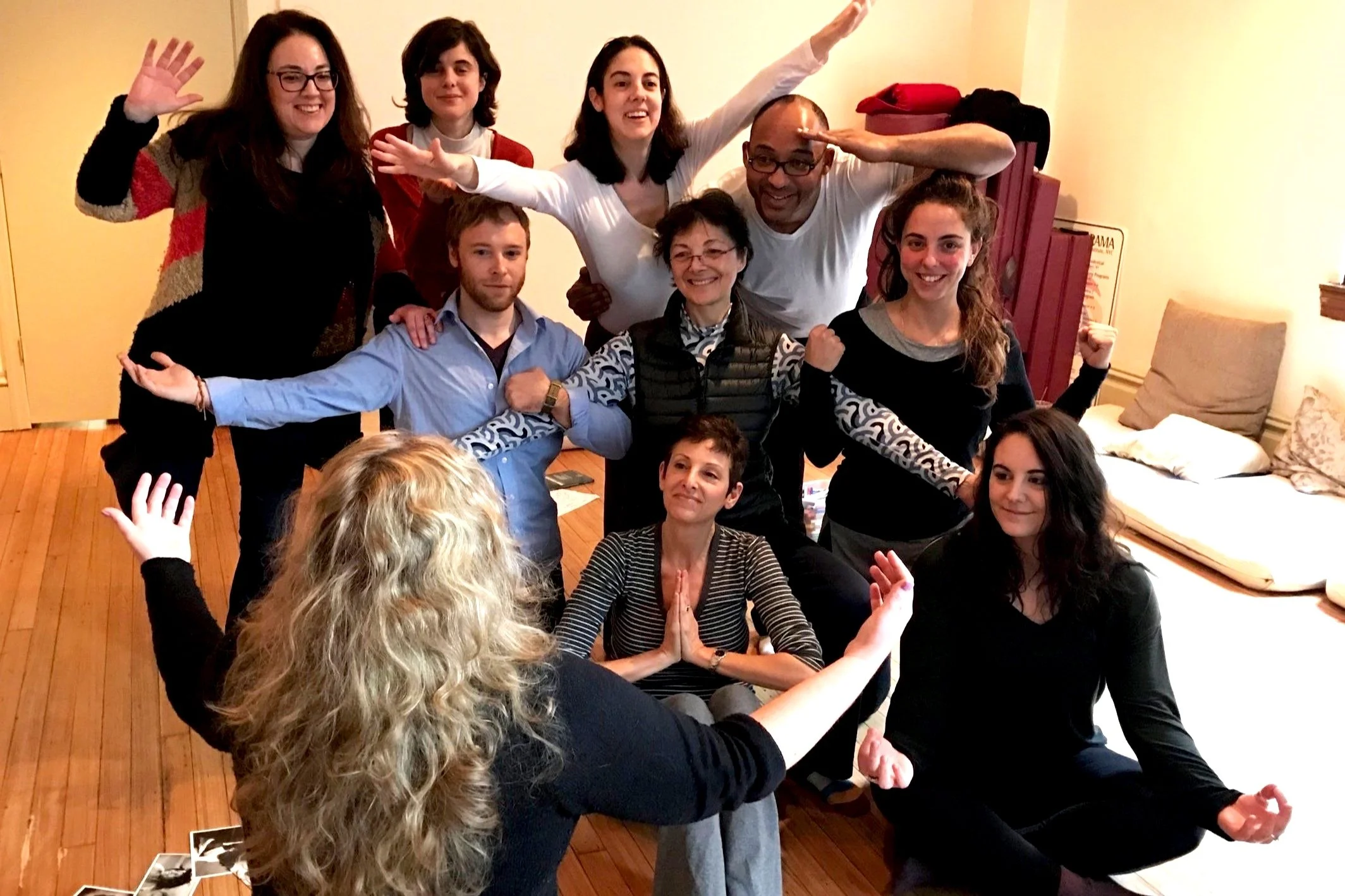
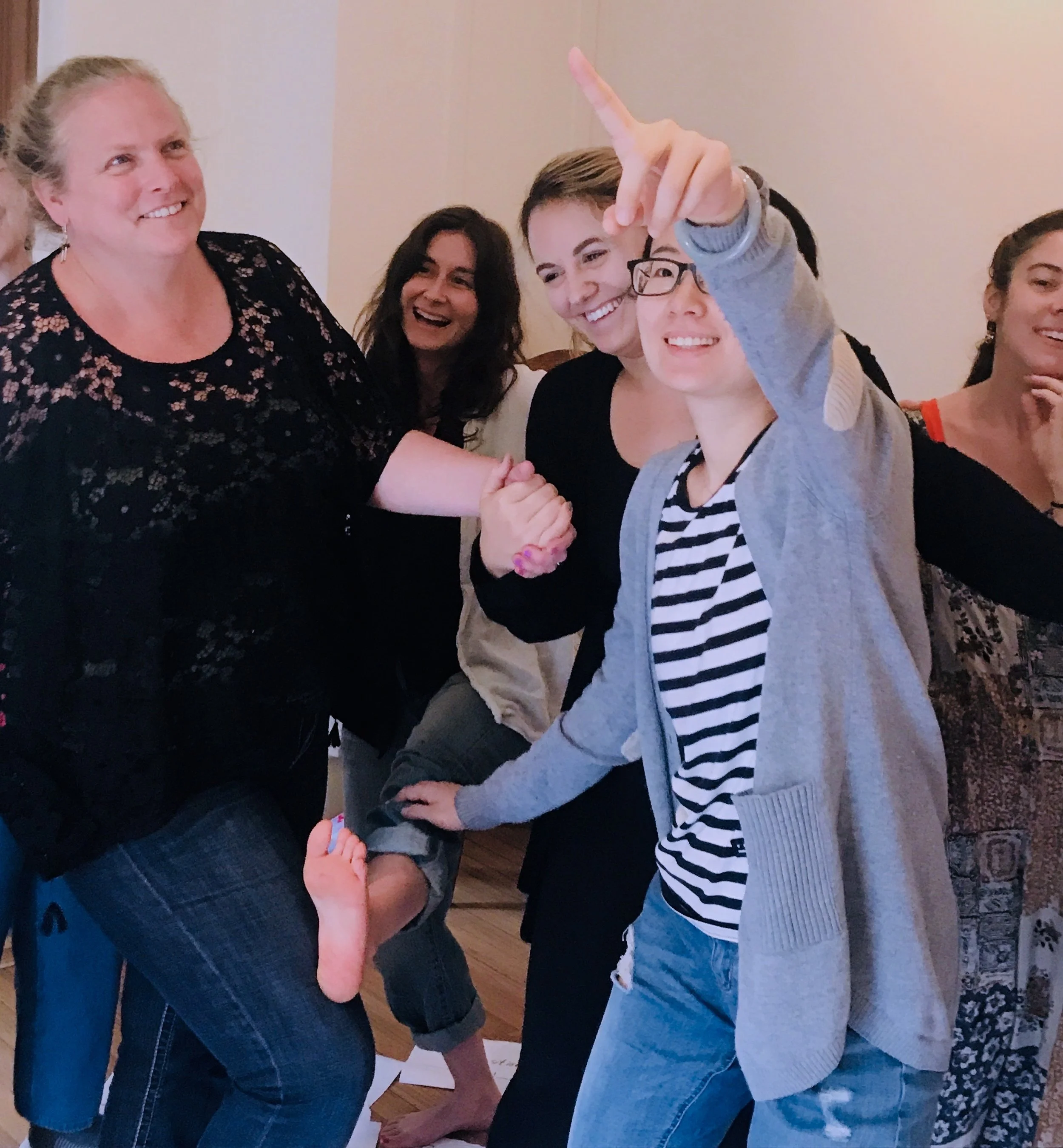
I approach organizational work with curiosity, warmth, honesty, and a sense of play. My trainings and consultations invite people to explore their work through action, reflection, creative exercises, and meaningful conversation.
Rather than offering a one-size-fits-all program, I work with you to understand your organization, the people you serve, and the challenges you are facing. Together, we develop an individualized training, consultation, or wellness plan that fits your culture and goals.
Participants are not expected to perform, act, or have any previous experience with creative approaches. They are simply invited to be present, experiment, and consider what might become possible when they step into a new role.
-
Professional Learning & Customized Workshops
Bring your team together to learn, practice, and think differently.
Single workshops and short professional-learning series are customized around the needs of your organization. Sessions are active, relational, and grounded in the realities of your staff’s work.
Possible topics include:
Trauma and trauma-informed systems
Complex and developmental trauma
Bringing trauma-informed creative arts practices into existing work
Working with resistance, shutdown, and difficult-to-understand behavior
Supporting choice-making and the fear of getting it wrong
Group facilitation and group dynamics
Creative approaches for specific populations
Communication, collaboration, and team building
Vicarious trauma, secondary stress, and burnout
Resourcing ourselves and the people we serve
Whenever possible, we use your real-life examples, curriculum, and organizational challenges as material for exploration. This allows participants to do more than understand an idea—they begin practicing how to use it.
-
Consulting for Arts Organizations
This one needs a one liner intro like the others :)
Teaching artists are often asked to hold much more than the lesson plan. I help them understand what trauma may look like in the classroom, and how to respond with greater patience, flexibility, creativity, and care without becoming therapists.
My trainings are experiential, hands-on, and grounded in what teaching artists are actually encountering. Participants do not simply sit and listen to information about trauma. We use embodied practice, creative work, real-life examples, and the organization’s own curriculum to explore what happens when a student shuts down, acts out, struggles to make a choice, or responds in ways that feel much bigger than the moment.
I also work with arts organizations to examine curriculum, strengthen communication, and build more trauma-aware practices without changing the creative heart or mission of their programs.
As an artist, former teaching artist, therapist, and trainer, I understand both the beauty and the messiness of this work. I have partnered with organizations including the Park Avenue Armory, the New York Philharmonic, the New Victory Theater, Together in Dance, the NYC Arts in Education Roundtable, Dance Project of Washington Heights, and more.
-
Creative Collaborations
Sustainable change takes more than a single workshop.
Creative Collaborations are customized, long-term partnerships designed for organizations that want to integrate trauma-informed practice more deeply into their work and culture.
Over six to nine months, your team participates in an interactive and primarily experiential learning process. Instead of only listening to presentations or talking about what should change, staff members have opportunities to explore real challenges, practice new responses, and reflect on how trauma-informed principles can live within their daily work.
Each Creative Collaboration is designed specifically for your organization and may include:
Experiential professional-learning sessions
Trauma-informed organizational consultation
Classroom-based strategies and curriculum review
Creative arts and action-based tools
Consultation with leadership and administration
Staff supervision and case consultation
Staff wellness sessions
Opportunities to practice with real situations from your work
Together, we identify what is already working, where your organization may be getting stuck, and what new roles, practices, or possibilities could help move the work forward.
-
Staff Wellness
Create space for the people who are holding so much.
Supporting the well-being of your staff supports the health of your entire organization.
Staff wellness sessions offer people a confidential space to pause, breathe, reconnect, and process the personal and professional impact of their work. Through creative reflection, experiential activities, movement, and conversation, participants can strengthen connection, reduce isolation, and build resources for navigating stress.
Wellness sessions may be offered as a single experience, as part of an ongoing series, or within a larger Creative Collaboration. They are especially valuable for teams working in high-stress environments or regularly supporting people affected by trauma.
These sessions are not about asking people to simply become more resilient within difficult systems. They create space to acknowledge both personal and systemic stressors while strengthening support, connection, and the ability to continue the work with greater care.
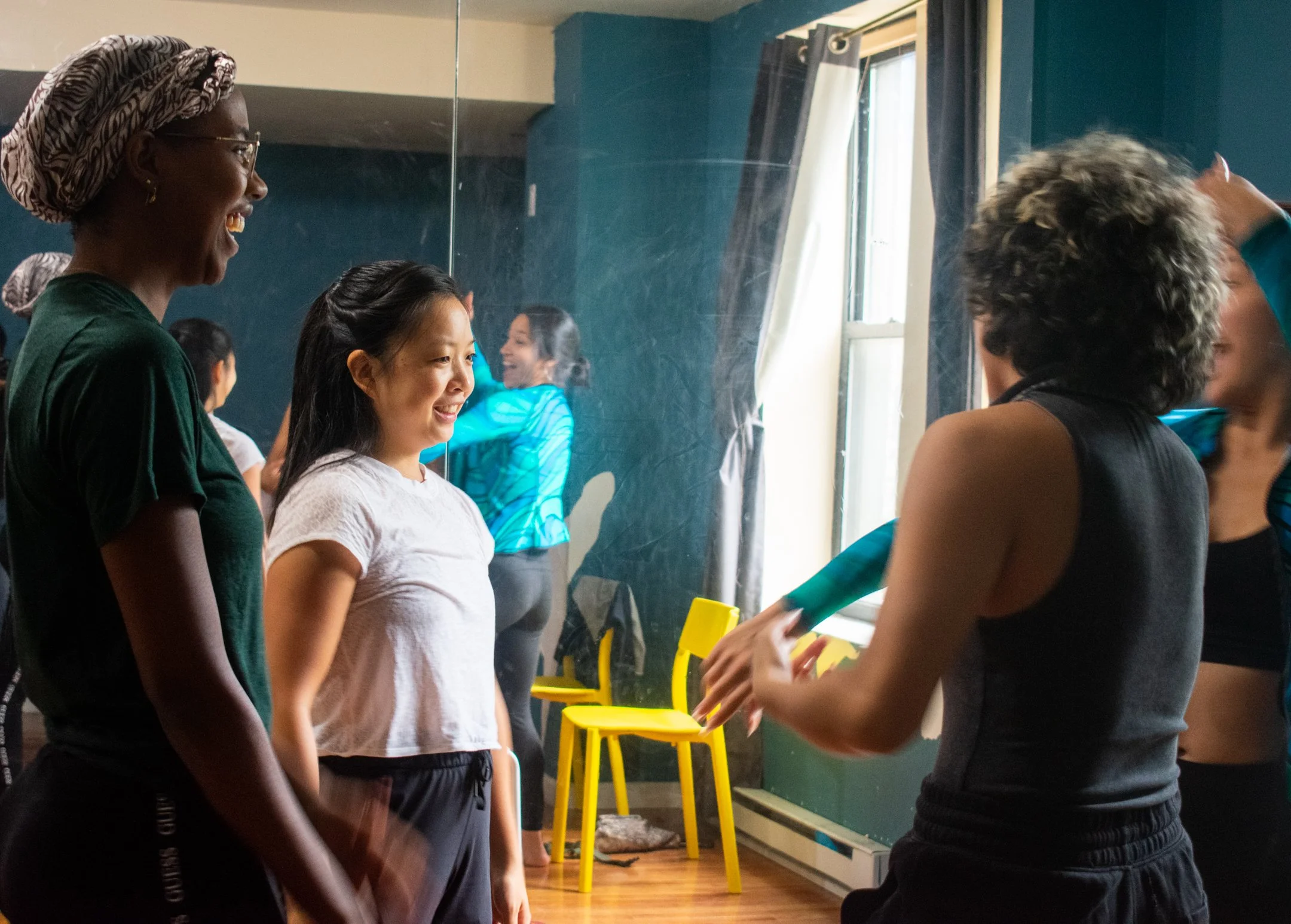
Let’s create something that fits your organization.
Whether you are looking for one focused workshop, ongoing staff wellness, consultation around a specific challenge, or a deeper organizational partnership, we can design an approach that meets your team where it is—and helps you discover where it might go next.
Ready to play a new role at work?
Current & Past Partners





Ready for something but not sure where to start?
Frequently asked questions for drama therapy and psychodrama training
Who do you work with?
I work with mental health programs, schools, arts organizations, teaching artists, and other helping professionals. Whether you want to support your staff, strengthen team dynamics, or bring a trauma-informed lens to your programs, we shape the work around your organization’s needs.
What does an experiential training look like?
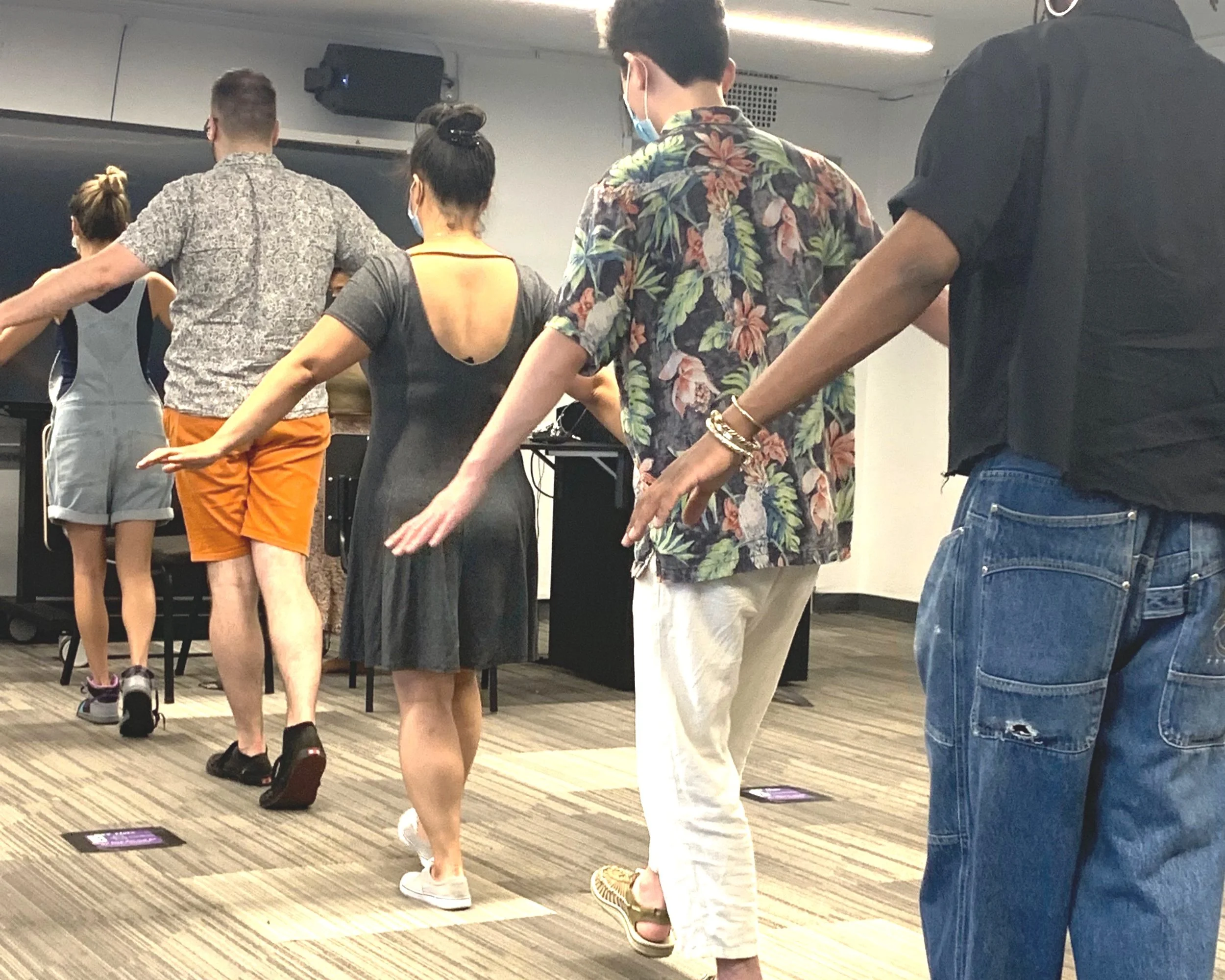
We learn by doing. Sessions combine meaningful conversation and reflection with movement, role exploration, and creative exercises. We may explore a challenging classroom moment, practice different responses to a situation, or work with examples from your curriculum. The goal is to help your team connect ideas to everyday practice.
Do participants need acting experience or have to be comfortable performing?
No acting or creative arts experience is needed. This work is about curiosity and exploration, and participation can take different forms. There is room to try something new while respecting individual comfort levels.
Can you tailor a workshop to our organization’s specific challenges?
Yes. Each training or consultation begins with understanding your organization, the people you serve, and what your staff is encountering. Whenever possible, we use your real-life examples, questions, and curriculum so the learning feels relevant and useful.
What is the difference between a workshop and a Creative Collaboration?
A single workshop or short series offers focused learning around a particular topic. A Creative Collaboration is a customized partnership, generally lasting six to nine months, that creates space for ongoing practice, reflection, and integration. It may combine staff training, leadership consultation, curriculum review, case consultation, and wellness support.
Can you help teaching artists respond to challenging student behavior?
Yes. We explore what may be happening beneath behaviors such as shutting down, acting out, resisting participation, or struggling to make a choice. Teaching artists practice responding with greater flexibility, creativity, and care while staying grounded in their role as artists and educators.
Will a trauma-informed approach change the creative focus of our program?
The intention is to support and deepen your creative work. Together, we explore how your existing curriculum and teaching practices can offer greater choice, connection, and emotional safety while preserving the artistic heart of your program.
What do staff wellness sessions involve?
Staff wellness sessions create space to pause, reconnect, and acknowledge the impact of demanding work. Sessions may include creative reflection, movement, conversation, and experiential activities that help staff feel less isolated and build resources together. We also make room to recognize the organizational and systemic pressures contributing to stress.
Can we start with a single workshop?
Absolutely. Some organizations begin with one focused session; others are ready for an ongoing partnership. We can discuss what is realistic for your goals and available time, including what a single workshop can introduce and what would benefit from deeper exploration.
How do we get started?
Reach out to share a little about your organization, what you are noticing, and what you hope might change. From there, we can explore whether a workshop, consultation, staff wellness offering, or longer-term collaboration would be a good fit.